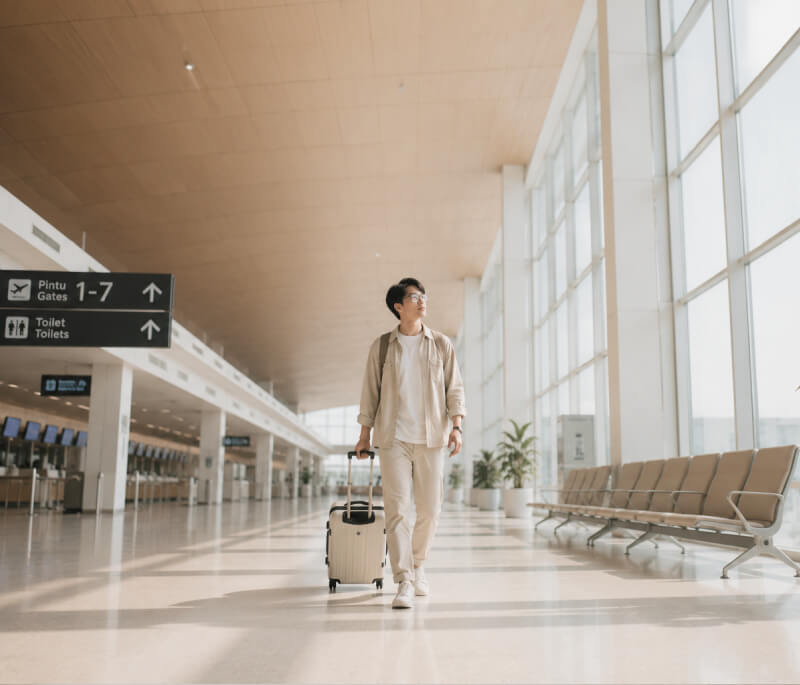

There is a particular kind of freedom that only solo travel can provide. Every decision is yours. Every conversation is chosen. Every detour is uncontested. You eat when you are hungry, sleep when you are tired, and change your plans on a whim with no negotiation required.
Why Travel Alone
The case for solo travel begins with self-knowledge. When stripped of familiar social roles — friend, partner, colleague — you encounter yourself more directly. How you handle confusion, discomfort, and unexpected beauty reveals character in ways that comfortable routines cannot.
Solo travel also accelerates connection with strangers. When you are not absorbed in conversation with a travel companion, you are naturally more open to the world around you. Fellow travelers, locals, hostel staff — these interactions become richer when you are not already socially “full.”
Choosing Your First Solo Destination
First-time solo travelers benefit from starting somewhere with an established infrastructure for independent travelers — clear public transport, English signage, and a visible backpacker circuit.
Excellent first solo destinations:
- Portugal — safe, walkable, English-friendly, excellent food and culture
- Japan — the world’s most organized country for independent travel, extraordinarily safe
- New Zealand — outdoor-focused, extremely safe, English-speaking, clear trails and transport
- Costa Rica — well-developed eco-tourism infrastructure, warm culture, manageable size
Practical Safety
Solo travel safety is largely about preparation and awareness, not fear.
- Share your itinerary with someone at home who will notice if you go quiet
- Save your accommodation address offline — maps work without data
- Trust your instincts — discomfort is information; leave situations that feel wrong
- Keep digital copies of your passport, insurance, and important cards in a secure cloud folder
- Carry a door wedge — the cheapest and most effective hotel security upgrade available
The Loneliness Question
Everyone who has traveled solo has experienced loneliness, and everyone who does it regularly has learned to befriend it.
The difference between loneliness and solitude is orientation. Loneliness is the painful awareness of missing connection. Solitude is the peaceful presence with oneself. Both are part of solo travel, and the ability to move between them — to seek company when you need it, to embrace quiet when you do not — is something solo travel teaches you directly.
Hostels, walking tours, cooking classes, and language exchanges are all reliable ways to meet fellow travelers when you want company.
What Solo Travel Teaches You
Return from three weeks of solo travel and you will notice something: small inconveniences no longer feel catastrophic. You have navigated a missed train in a country where you don’t speak the language. You have eaten alone in a restaurant and enjoyed it. You have figured things out.
This is the lasting gift of solo travel. Not the photographs or the passport stamps — but the quiet, private knowledge that you are more capable than you thought.